Heat pumps are at the centre of the UK’s plan to decarbonise home heating. They extract warmth from the air, ground, or water and use it to heat your home, producing three to four units of heat for every one unit of electricity consumed. With generous government grants now available and gas prices remaining high, heat pumps are becoming a genuinely cost-competitive alternative to gas boilers. This guide covers everything you need to know before making the switch.
How Heat Pumps Work
A heat pump works like a refrigerator in reverse. Air source heat pumps (ASHP) draw warmth from the outside air, even at temperatures as low as -15°C. Ground source heat pumps (GSHP) use a loop of pipes buried underground to extract heat from the earth, which maintains a stable temperature year-round. Both types use a compressor to raise the temperature of the absorbed heat to a level suitable for heating radiators, underfloor heating, and hot water.
Air Source vs Ground Source
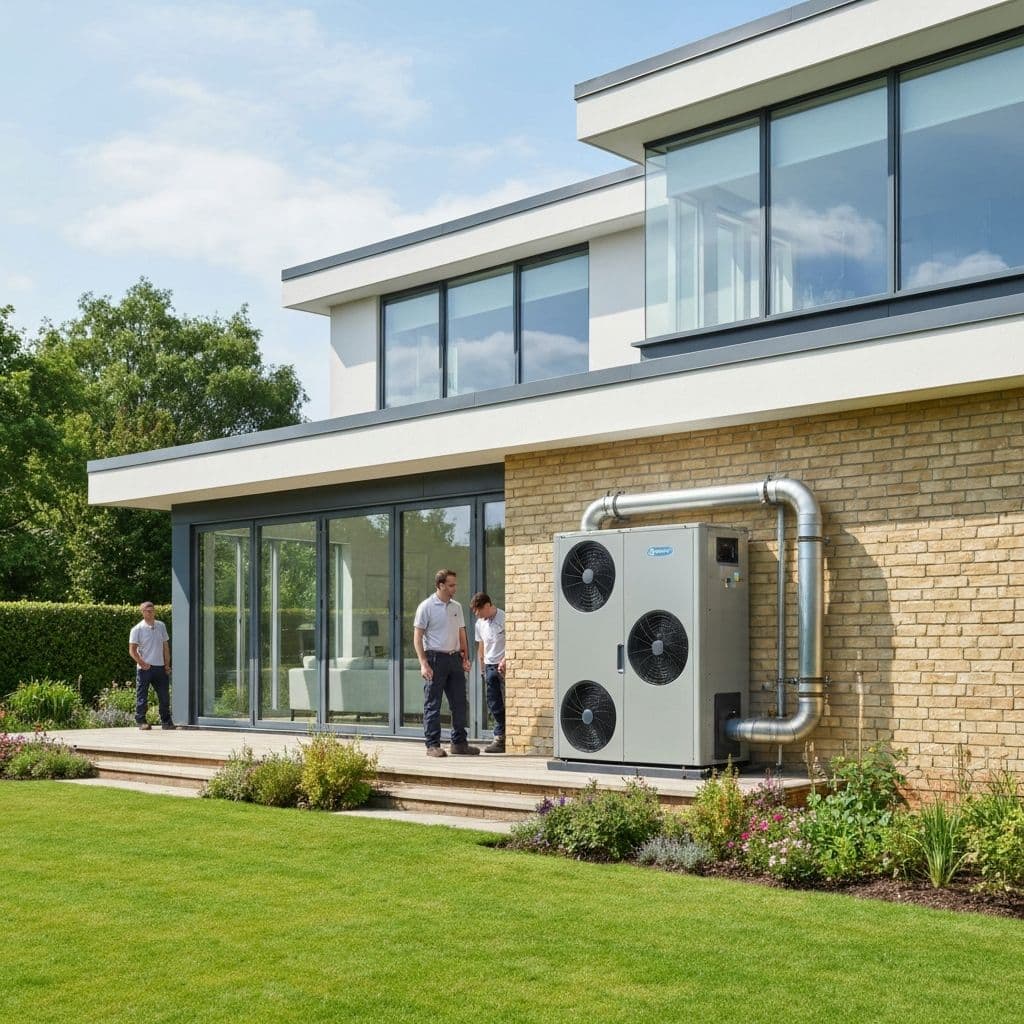
Air source heat pumps are the most popular choice in the UK due to their lower installation cost and simpler fitting requirements. They require an outdoor unit approximately the size of a large suitcase. Ground source heat pumps are more efficient but require significant ground work to install horizontal loops or vertical boreholes. They are best suited to properties with sufficient garden space and are more commonly installed in rural areas.
Costs and Government Grants
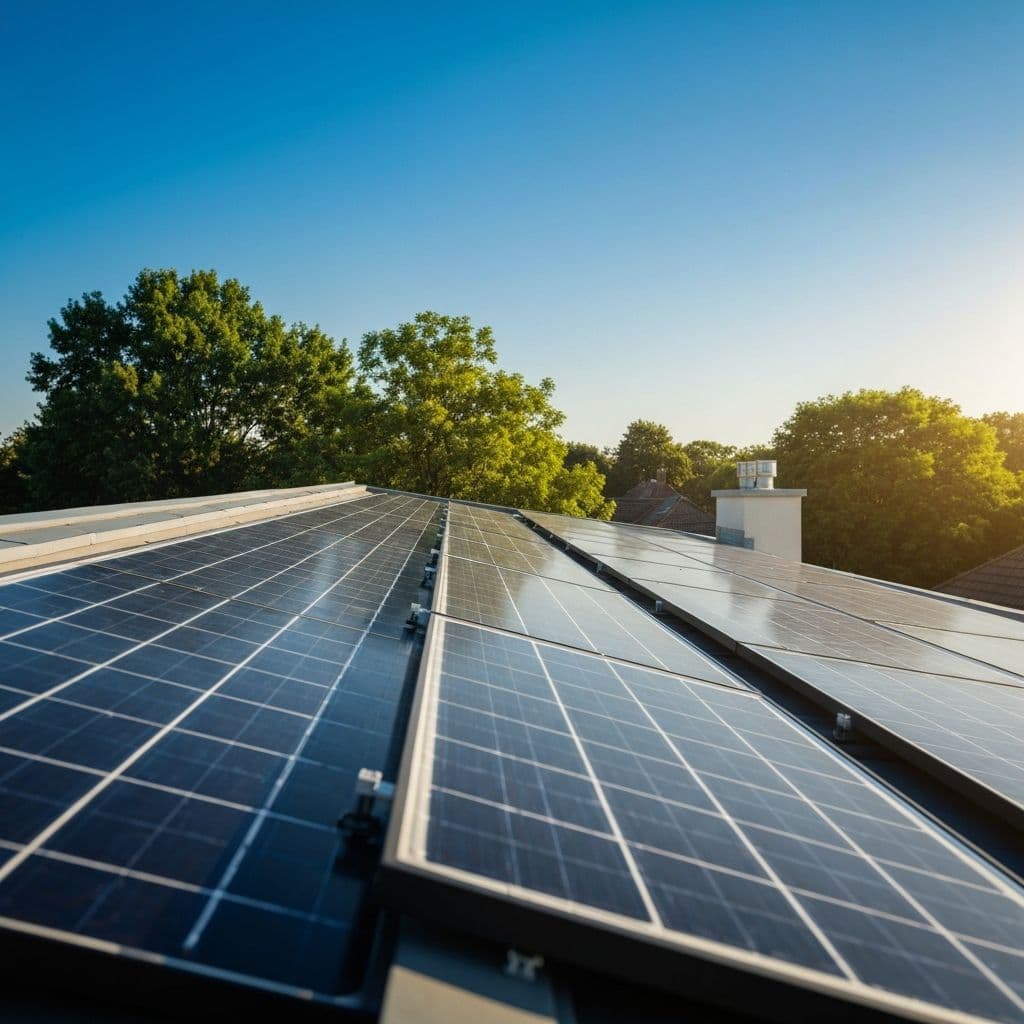
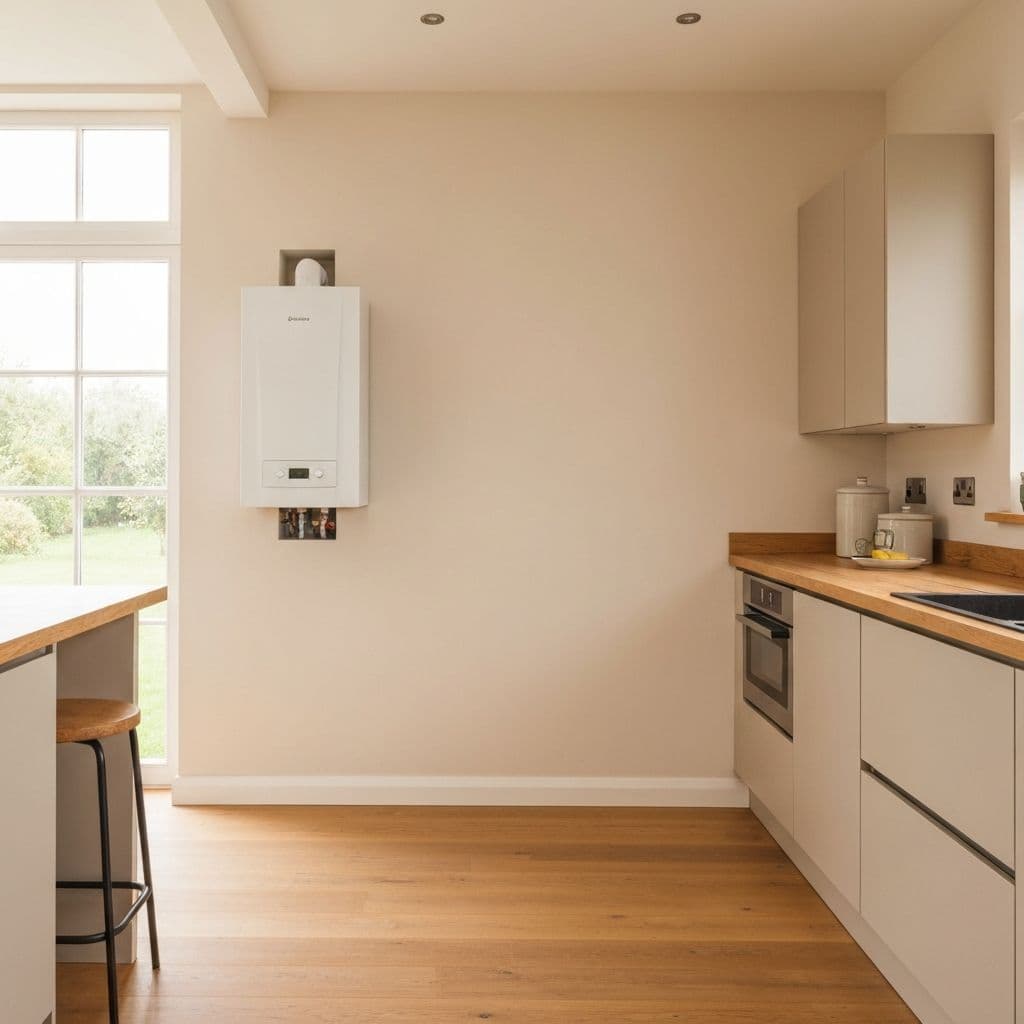
An air source heat pump typically costs £10,000–£15,000 fully installed. A ground source heat pump costs £15,000–£35,000 depending on the drilling method. The Boiler Upgrade Scheme provides grants of £7,500 for ASHP and £7,500 for GSHP, significantly reducing the upfront cost. Running costs are generally comparable to or lower than gas, especially when paired with a time-of-use electricity tariff and solar panels.
Is Your Home Suitable?
Heat pumps work most efficiently in well-insulated homes. If your property has poor insulation, you may need to upgrade walls, loft, and windows before a heat pump can perform optimally. Underfloor heating or larger radiators deliver the best results because heat pumps operate at lower flow temperatures than gas boilers. A professional heat loss survey is the first step to determining whether your home is suitable.
Key Takeaways
- Heat pumps produce 3–4 units of heat for every 1 unit of electricity consumed.
- Air source heat pumps cost £10,000–£15,000; the Boiler Upgrade Scheme grants £7,500.
- Well-insulated homes with underfloor heating achieve the best results.
- Ground source pumps are more efficient but require significant garden space.
Frequently Asked Questions
Do heat pumps work in cold weather?
Yes. Modern air source heat pumps can extract heat from air at temperatures as low as -15°C to -25°C.
How noisy are heat pumps?
Modern air source heat pumps operate at around 40–45 decibels, comparable to a quiet library or refrigerator.
How long do heat pumps last?
Heat pumps typically last 20–25 years with proper maintenance, significantly longer than gas boilers.
Written by
Laura Bennett
MCS Certified Installer
This guide has been written and fact-checked by a qualified professional to ensure accuracy. All information is regularly reviewed and updated. Wisehande editorial standards require expert authorship and peer review for every guide we publish.