Solar energy has become a viable investment for millions of UK homeowners. With electricity prices remaining high and the technology becoming more affordable year on year, installing solar panels can significantly reduce your energy bills and carbon footprint. This comprehensive guide covers everything from choosing the right system to understanding the financial returns you can realistically expect.
How Solar Panels Work
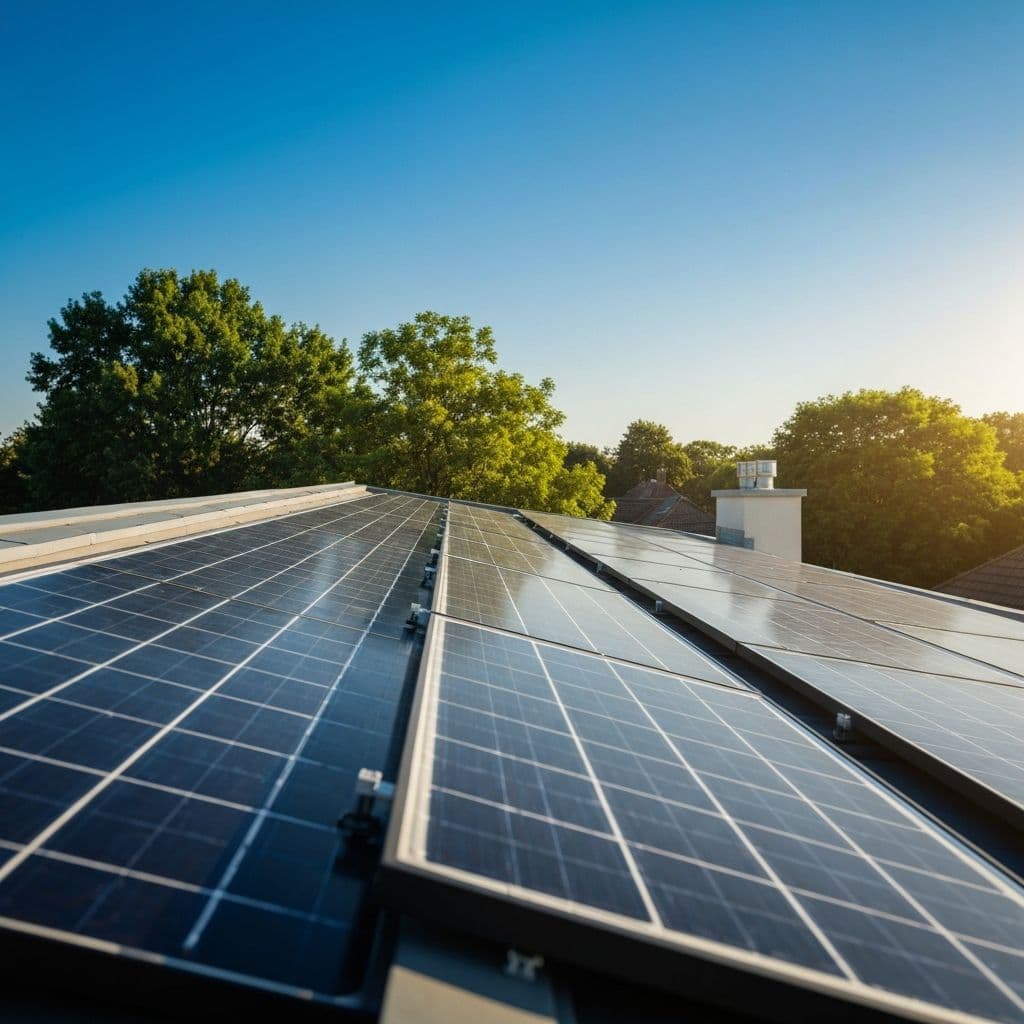
Solar photovoltaic (PV) panels convert sunlight into direct current (DC) electricity. An inverter then converts this into alternating current (AC) that powers your home appliances. Any electricity you generate but do not use can either be stored in a battery for later use or exported to the National Grid. Contrary to popular belief, solar panels do not need direct sunlight to function; they generate electricity on cloudy days too, albeit at reduced efficiency. A south-facing roof with minimal shading will deliver the best performance.
Types of Solar Panels
There are three main types of solar panel available in the UK. Monocrystalline panels are the most efficient (20–25% efficiency) and the most common for residential installations. They are made from single silicon crystals and tend to be dark black in colour. Polycrystalline panels are slightly less efficient (15–20%) and have a distinctive blue speckled appearance. Thin-film panels are lightweight and flexible but less efficient, making them better suited to commercial or unusual installations.
Installation Costs in 2026
A typical 4kWp residential solar panel system in the UK costs between £5,000 and £8,000 including installation. A larger 6kWp system suitable for a four-bedroom home ranges from £7,000 to £11,000. Adding a battery storage system (typically 5–13kWh) costs an additional £2,500 to £6,000. Prices have fallen by approximately 60% over the past decade and continue to drop. Several local authorities also offer grants or interest-free loans for solar installations.
Savings and Payback Period
A well-positioned 4kWp system generates approximately 3,400–4,200 kWh of electricity per year. At current electricity prices, this translates to annual savings of roughly £800–£1,100. Under the Smart Export Guarantee (SEG), energy suppliers pay you for surplus electricity exported to the grid, currently around 4–15p per kWh depending on the tariff. Most homeowners can expect their system to pay for itself within 8–12 years, after which all savings represent a pure return.
Planning Permission and Installation
Solar panels are usually considered a permitted development in England and Wales, meaning you do not need planning permission unless your property is listed or in a conservation area. In Scotland, permitted development rights also apply with some additional conditions. Installation typically takes one to two days for a standard rooftop system. Always use an installer certified under the Microgeneration Certification Scheme (MCS), as this is a requirement for accessing SEG payments.
Key Takeaways
- A typical 4kWp solar system costs £5,000–£8,000 and saves £800–£1,100 per year.
- Payback periods average 8–12 years, with 25+ years of further savings thereafter.
- Battery storage maximises self-consumption and protects against grid outages.
- Planning permission is usually not required for residential rooftop panels.
- Always choose an MCS-certified installer to access Smart Export Guarantee payments.
Frequently Asked Questions
Do solar panels work in the UK climate?
Yes. The UK receives enough sunlight for solar panels to be effective, even on cloudy days. Output is highest from April to September.
How long do solar panels last?
Most panels come with a 25-year performance warranty and can continue generating electricity for 30–40 years.
Will solar panels increase my property value?
Research suggests solar panels can add 1–3% to a property’s value, though this varies by location and system size.
Written by
Tom Ashworth
DEA, Domestic Energy Assessor
This guide has been written and fact-checked by a qualified professional to ensure accuracy. All information is regularly reviewed and updated. Wisehande editorial standards require expert authorship and peer review for every guide we publish.